Tirana, Albania

6 articles

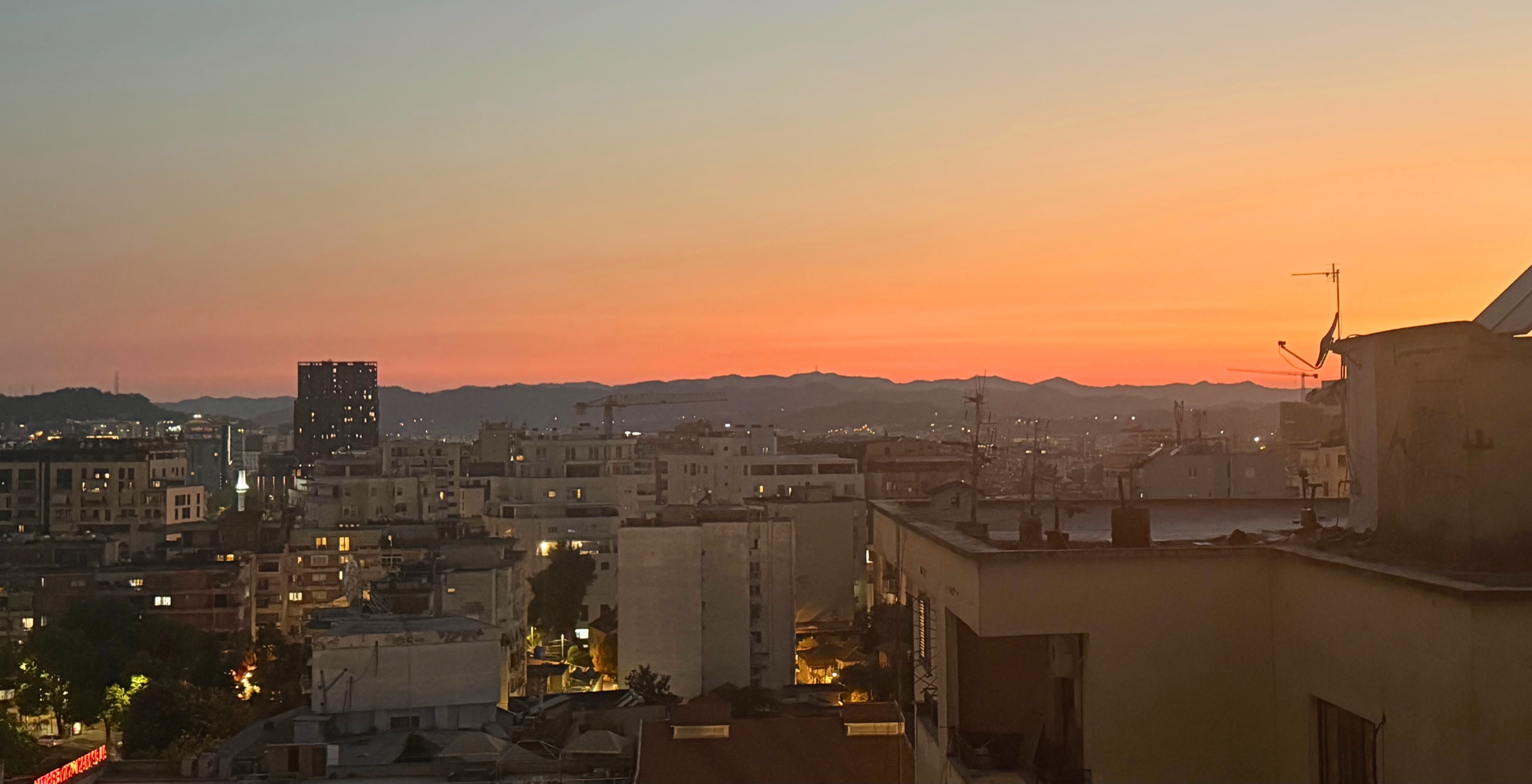
We spent thirty-four nights on the northern edge of Tirana's historic center, close enough to reach Skanderbeg Square, the New Bazaar, and Blloku on foot while keeping bus access to the rest of the city. The stay made Tirana workable as a monthlong capital base: a five-minute walk to the gym, a functional apartment, and daily routines built around neighborhood cafés, markets, and parks, while intercity buses and furgons opened the Adriatic coast, the Albanian Alps, and Lake Ohrid. Tirana best suits travelers who want an inland capital with dense layered history, strong value, and unusually convenient access to the rest of the country. Its principal trade-off is aesthetic: the city never struck us as conventionally beautiful.

At a Glance

Length of stay
34 nights
Neighborhood
Immediately north of Skanderbeg Square, within the historic center and an easy walk to the New Bazaar and Blloku
Cost level
Affordable by regional standards, in line with what we found elsewhere in the lower Balkans; apartment, gym membership, and most meals out stayed within a modest monthly budget
Walkability
Strong within the historic center and Blloku, helped by extensive tree cover that softens summer heat; outer neighborhoods and day-trip departure points require a bus
Transportation
Citywide bus network at 40 lek (about $0.45) per ride; two intercity terminals and furgons reach the coast, the Alps, and Lake Ohrid; stops and routes take some learning
Workability
Strong with a reliable apartment setup; a central location and a nearby gym kept work and daily errands compact
Cultural depth
Exceptional; Illyrian, Ottoman, Italian, communist, and contemporary layers sit within a few blocks of Skanderbeg Square, alongside one of the densest café cultures we've encountered
Principal strength
A dense, walkable capital that doubles as the country's strongest logistical base, putting the Adriatic coast, the Albanian Alps, and Lake Ohrid within a day's reach
Principal limitation
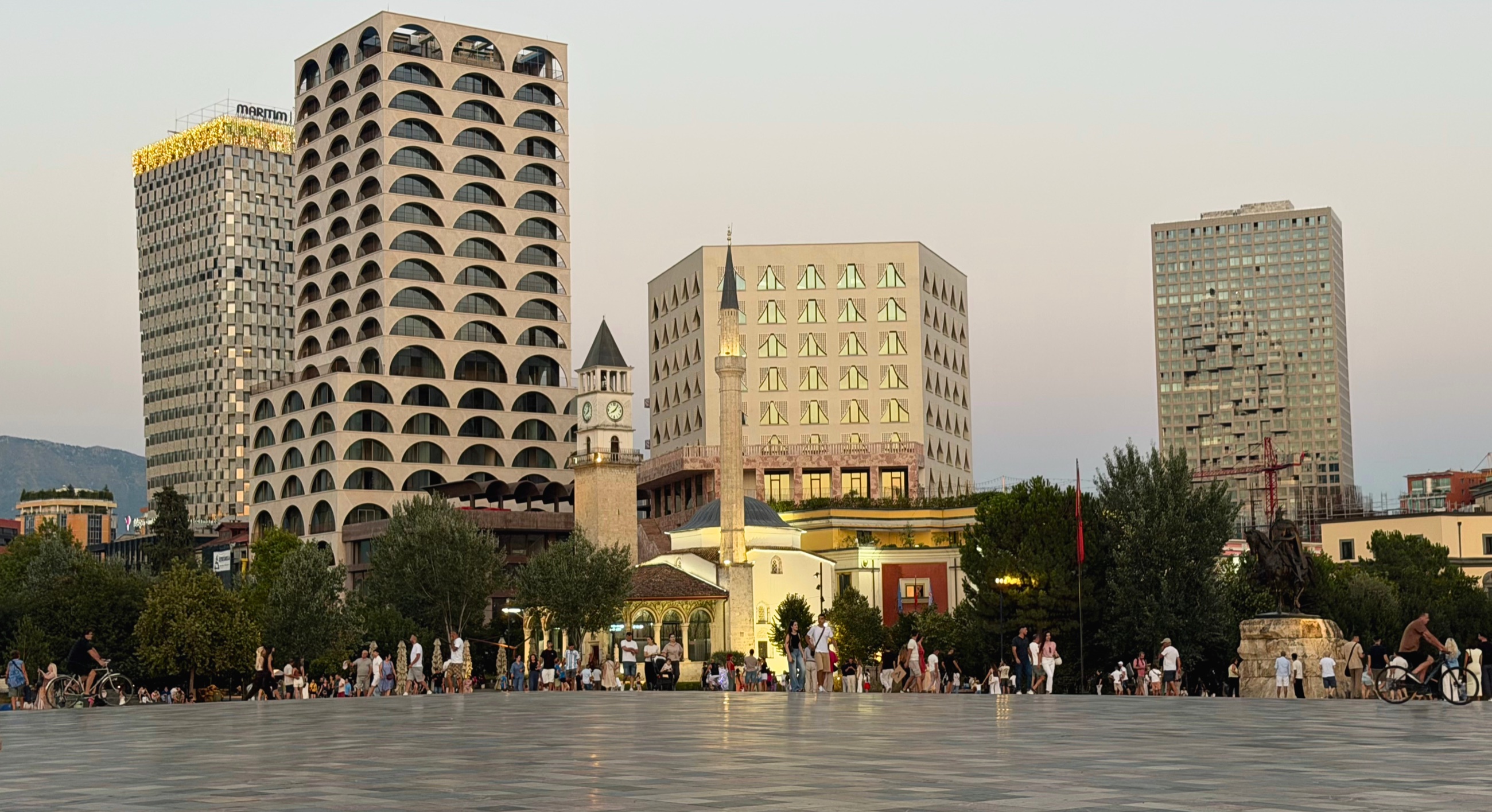
A fast-moving construction boom is pushing new-build prices, especially in Blloku, well ahead of local wages, and the skyline remains unsettled rather than composed

Practical Highlights

Accommodation
Immediately north of Skanderbeg Square, $1,070 for 34 nights, with a functional kitchen, reliable internet, a washing machine, and workable desk space
Gym
Matrix Fitness Center, a five-minute walk from the apartment, 3,500 lek (about $43) for a three-visit-per-week monthly plan
Coffee
A macchiato ran about 150 to 180 lek (roughly $2) in the city center, a cappuccino or double espresso closer to 200 lek (about $2.30); specialty cafés in Blloku charged a premium, nearer 300 lek (about $3.45) for a macchiato
Restaurant costs
Street food such as sufllaqe, döner, or gyro ran 270 to 330 lek (about $3 to $4); a home-style gjelltore dinner for two with drinks cost about 1,600 lek (about $18); a Neapolitan pizza and side salad for two ran about 1,700 lek (about $20)
Groceries
A small neighborhood market covered the first day's needs; Conad, the Italian supermarket chain, and the New Bazaar's produce stalls supported the regular shop, with fresh figs and honey among the local finds
Health
A routine dental cleaning at Toronto Dental Clinic cost $50 per person, the kind of appointment a stay this length makes practical
Transportation
City buses cost 40 lek (about $0.45) per ride and cover most of the city, though stops are not clearly signed; the East Bus Terminal, about thirty minutes from the center, serves furgons east toward Pogradec; a taxi from the intercity bus stop to a central apartment ran about 1,500 lek (about $17)
Day trips
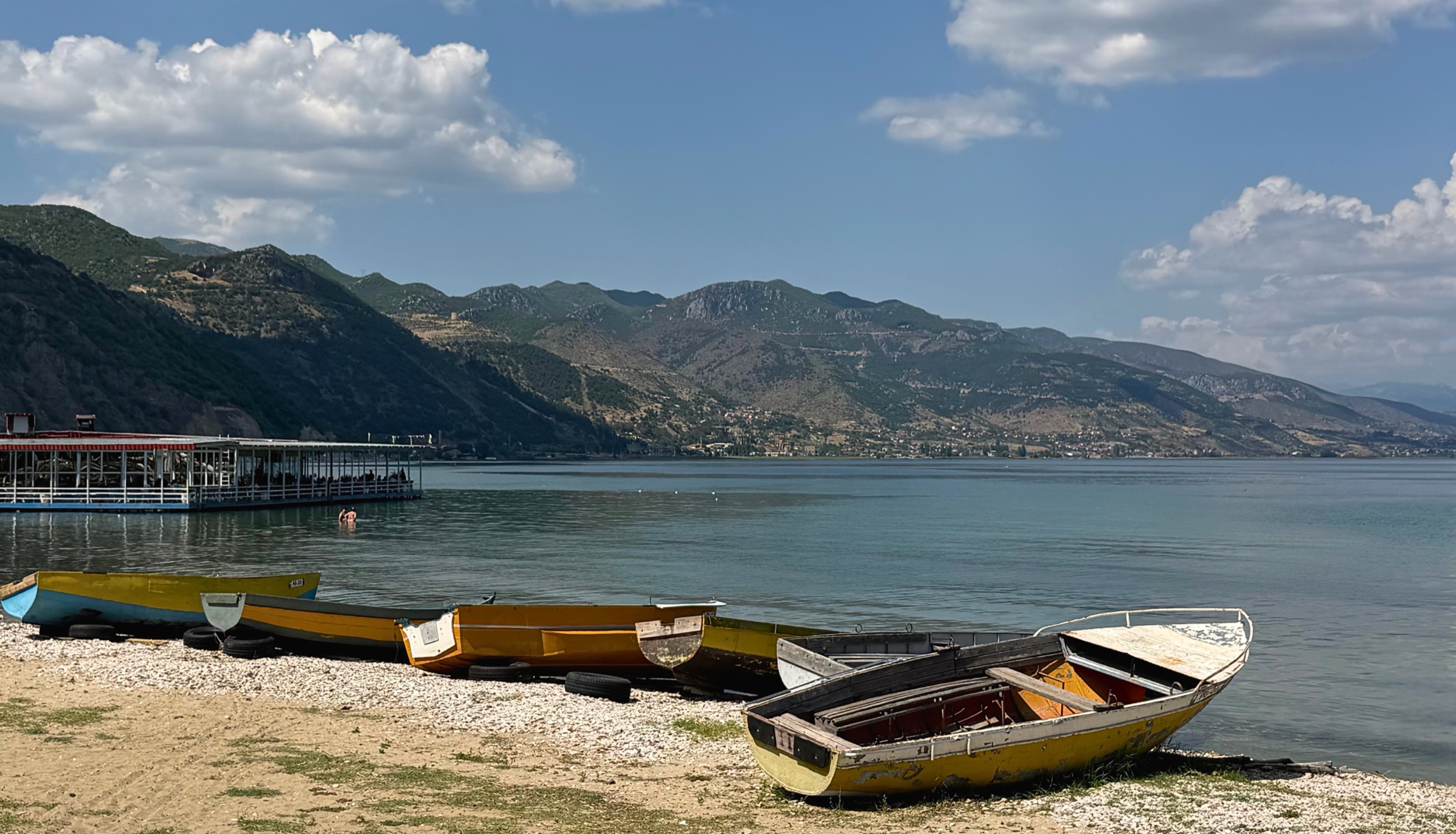
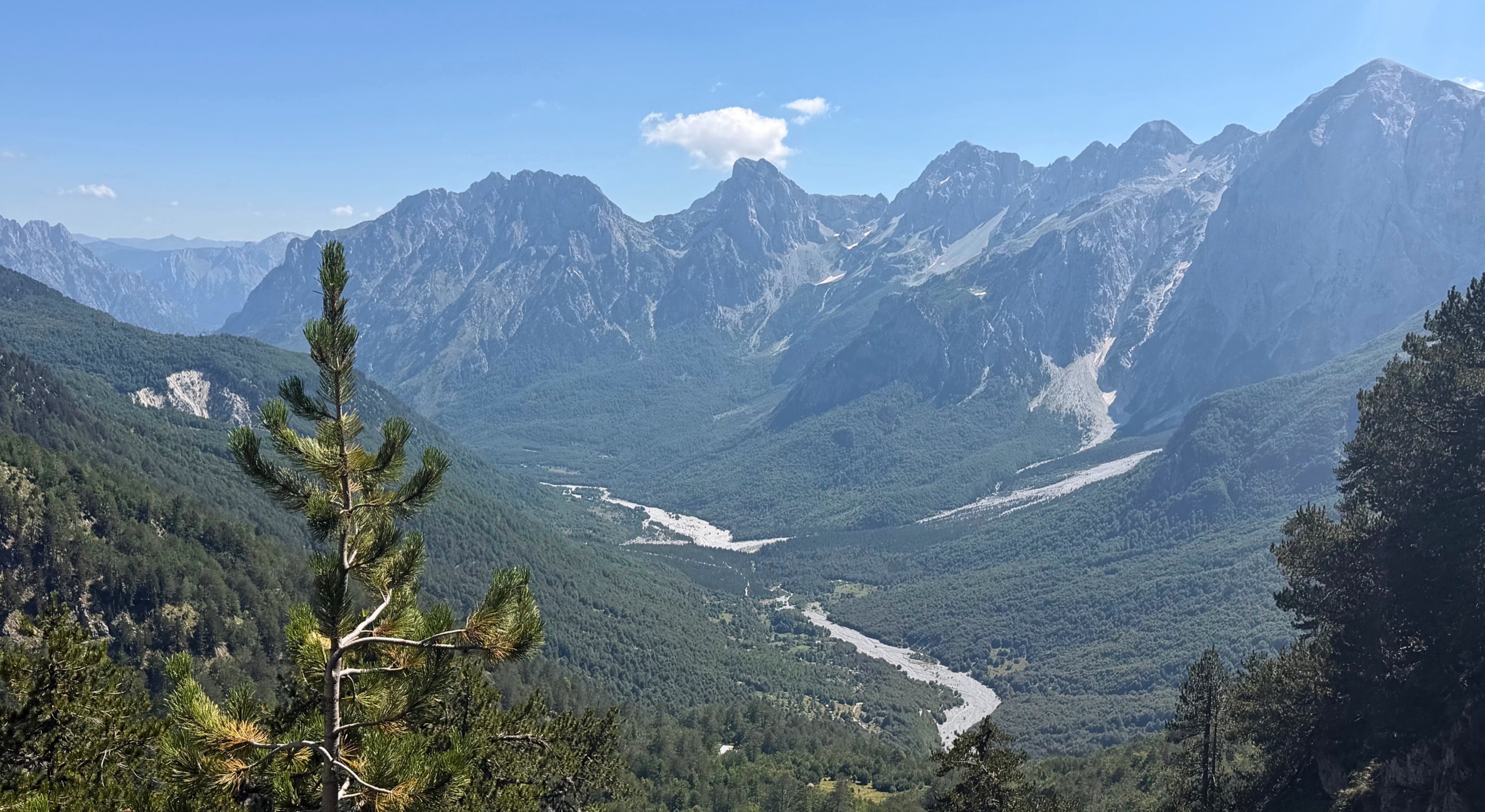
Durrës Beach, Albania's largest developed beach, reached by local bus and furgon for about 200 lek (about $2.30) each way, though the advertised forty-minute trip ran closer to two hours in summer traffic; Pogradec and the Albanian shore of Lake Ohrid, a three to three-and-a-half hour furgon ride at about 700 lek ($8) per person each way, worked better as an overnight (rooms from about 3,600 lek, or $42) than a single day; the Valbona-to-Theth crossing through the Albanian Alps, a three-day trip via the Komani Lake ferry costing about 15,100 lek (roughly $174) per person for transportation, guesthouses, and most meals
Cultural highlights
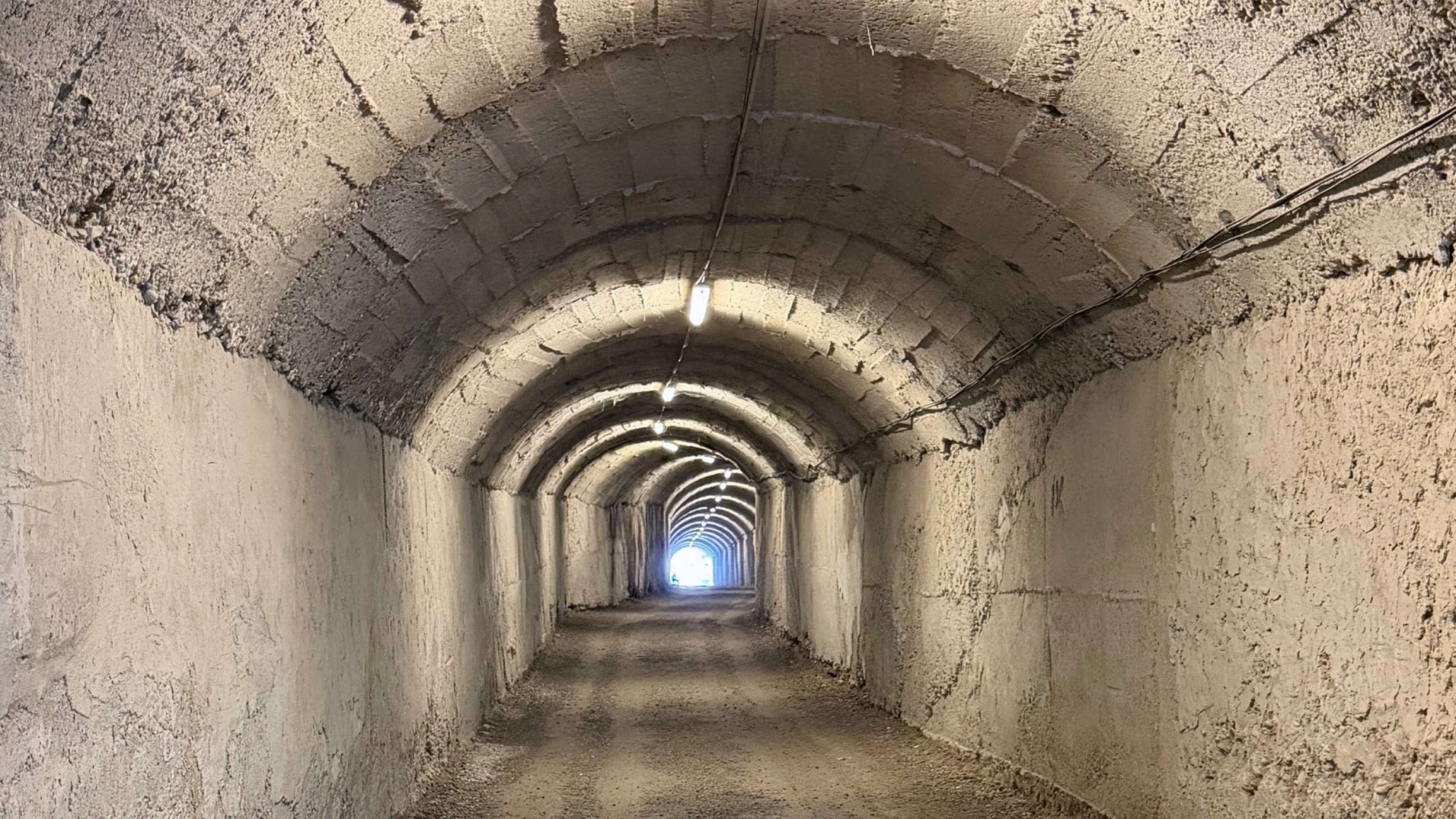
Skanderbeg Square, rebuilt repeatedly across Ottoman, royal, Italian, communist, and post-communist Albania; Bunk'Art 1, the five-story Cold War nuclear shelter beneath Mount Dajti, 900 lek (about $11) admission; the Resurrection of Christ Orthodox Cathedral and the Namazgah Mosque, both rebuilt after four decades of enforced state atheism; the surviving walls of Tirana Castle and Tanner's Bridge; the Pyramid of Tirana, rebuilt as public space; Blloku, the former restricted communist-elite district now the city's café and nightlife center