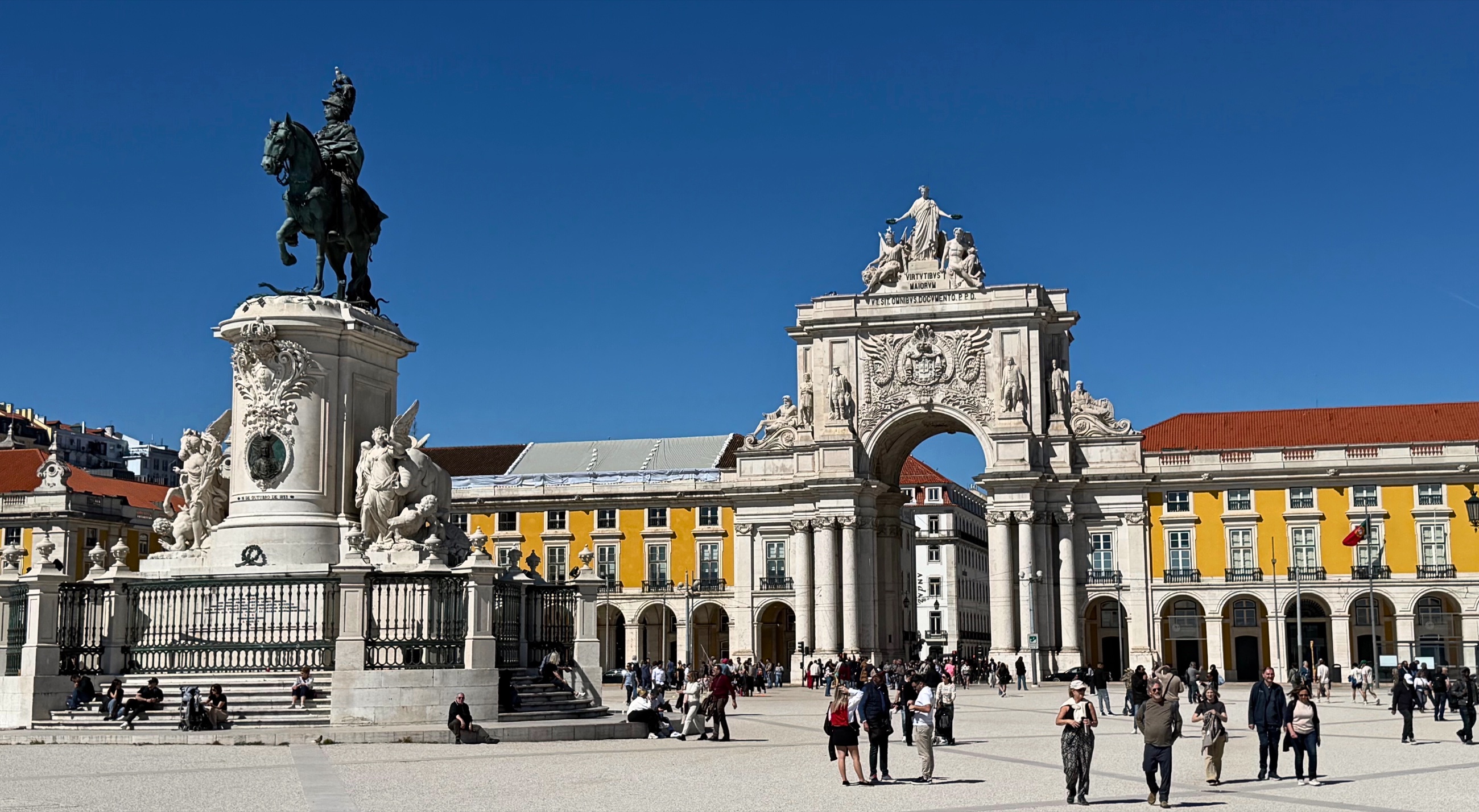
Lisbon, Portugal

1 article

We spent seven nights in Rato, near the eastern edge of Campo de Ourique, using Lisbon as both a short urban stay and the setting for a long-awaited Portuguese residency appointment. The neighborhood offered a calmer residential base within walking distance of Estrela, Jardim das Amoreiras, local groceries, restaurants, and the Rato metro station, while still providing straightforward access to Lisbon's historic center and riverfront. Lisbon combined substantial cultural depth with practical metropolitan infrastructure: historic neighborhoods, extensive public transportation, strong grocery access, and direct rail connections to Cascais and Sintra. Its hills, dispersed landmarks, and visitor pressure made it less effortless than Portugal's smaller coastal towns, but the city rewarded repeated movement between distinct neighborhoods. Lisbon best suits travelers who value architecture, history, music, food traditions, and access to both the coast and surrounding historic towns. Its principal trade-offs are accommodation cost, steep terrain, crowded transport on popular routes, and the difficulty of judging long-stay value from a one-week booking.

At a Glance

Length of stay
7 nights
Neighborhood
Rato, near the eastern edge of Campo de Ourique, with Estrela, Jardim das Amoreiras, groceries, restaurants, and the Rato metro station within walking distance
Cost level
Moderate to high by Portuguese standards, with short-stay accommodation representing the largest expense; groceries, public transportation, pastries, wine, and modest meals remained comparatively manageable
Walkability
Good within individual neighborhoods, but Lisbon's steep hills and broad geographic spread make walking physically demanding; several days exceeded five miles, and longer routes required combining walking with trams or trains
Transportation
Extensive and useful, including metro, trams, buses, and suburban rail; popular routes such as Tram 28 could become heavily crowded, while direct trains made Cascais and Sintra practical day trips
Workability
Adequate for a short apartment-based stay, but not tested under a normal month-long work routine; the apartment supported daily work and household needs, while the neighborhood provided strong daily infrastructure
Cultural depth
Exceptional, with Roman, Moorish, medieval, maritime, imperial, religious, republican, and modern histories layered across the city
Principal strength
The concentration of architecture, music, historic neighborhoods, riverfront public space, and easy access to Cascais and Sintra
Principal limitation
High short-stay accommodation costs, steep terrain, crowded visitor routes, and limited evidence for judging month-long livability

Practical Highlights

Accommodation
Our apartment near Rato and Campo de Ourique provided a residential base removed from the most heavily visited parts of central Lisbon while remaining well connected by metro and on foot; it was large enough to accommodate four people and supported daily cooking, work, and shared living during the week
Cost
Accommodation absorbed the largest share of the week's spending; a gym day pass cost €14 per person, a glass of ginjinha about €1.50, and paid sightseeing was approached selectively; grocery-based meals, pantry staples, local wine, and limited restaurant spending helped contain costs; the stay reinforced the financial advantage of longer bookings, which reduce average nightly accommodation costs and spread setup expenses across more days
Gym
A single gym day pass cost €14 per person; a monthly membership was not practical for the length of the stay, so fitness depended mainly on one substantial training session and extensive daily walking
Groceries
Home meals relied on eggs, tinned fish, avocado, bread, hard cheese, yogurt, fruit, and inexpensive Portuguese wine; grocery shopping was straightforward, although the short stay did not allow the routine to become as efficient as it would during a longer booking
Transportation
The Rato metro station provided convenient access from the neighborhood, while trams, buses, and suburban trains connected the wider city and surrounding region; Tram 28 linked Graça, Alfama, Mouraria, Chiado, and Estrela and accepted credit-card payment when boarding; tourist queues were substantial at busy times, making it preferable to board at a terminus or away from the most crowded central stops; direct suburban trains made Cascais and Sintra manageable without a car
Walks and hikes
Lisbon required sustained climbing, with several days exceeding five miles on foot; the hills added physical effort to otherwise short distances, particularly between the riverfront and elevated neighborhoods; in Sintra, the Caminho da Vila Sassetti provided a substantial uphill route to the Moorish Castle, contributing to approximately eight miles of walking that day
Day trips
Cascais worked as an easy coastal rail excursion, combining a compact historic center, shoreline walking, and Praia da Rainha; Sintra required more physical effort and selective planning; the walk to the Moorish Castle was the central experience, while Pena Palace and Quinta da Regaleira could be approached without paying for every interior; both destinations were practical from Lisbon by train
Cultural highlights
Lisbon's principal cultural experiences included the Basilica da Estrela and its royal nativity scene, Tram 28 through the historic neighborhoods, Livraria Bertrand, Belém Tower, Jerónimos Monastery, the Monument to the Discoveries, Alfama, and a traditional Fado evening; Belém concentrated Portugal's Manueline architecture and maritime history, while Alfama preserved a more intact medieval street pattern and the strongest connection to Fado's working-class origins
Music and religious life
Fado was the defining cultural experience of the week; the performance followed the traditional structure of multiple sets, close listening, Portuguese guitar, and an extended evening rather than a short staged show; its history connects Lisbon's riverside neighborhoods, the concept of saudade, the Estado Novo period, and its later recovery as a respected national tradition
Seasonality
March offered comfortable walking weather, manageable coastal excursions, and fewer pressures than peak summer; Tram 28 queues showed that visitor congestion was already relevant outside high season