Ohrid, North Macedonia

4 articles

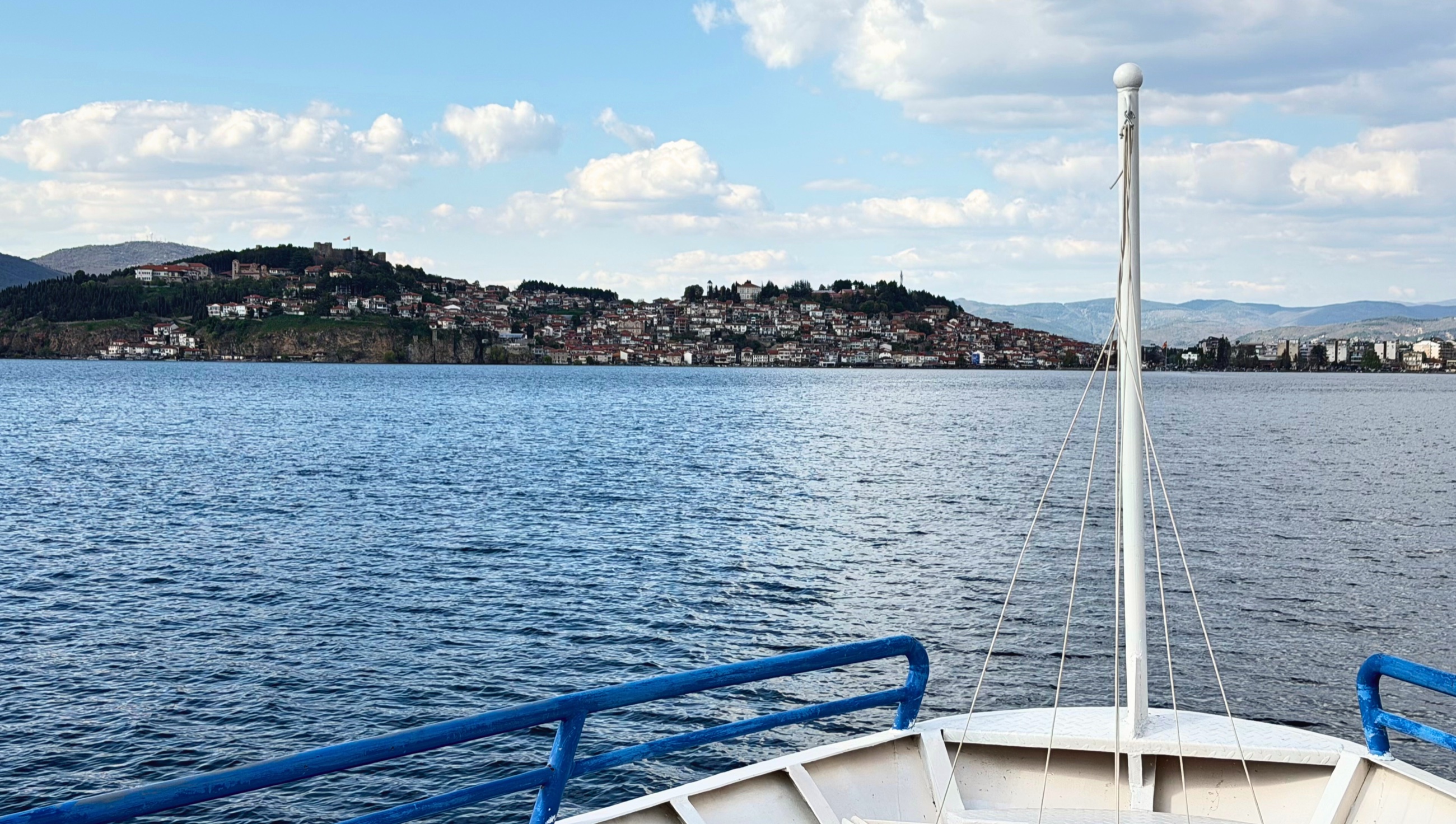
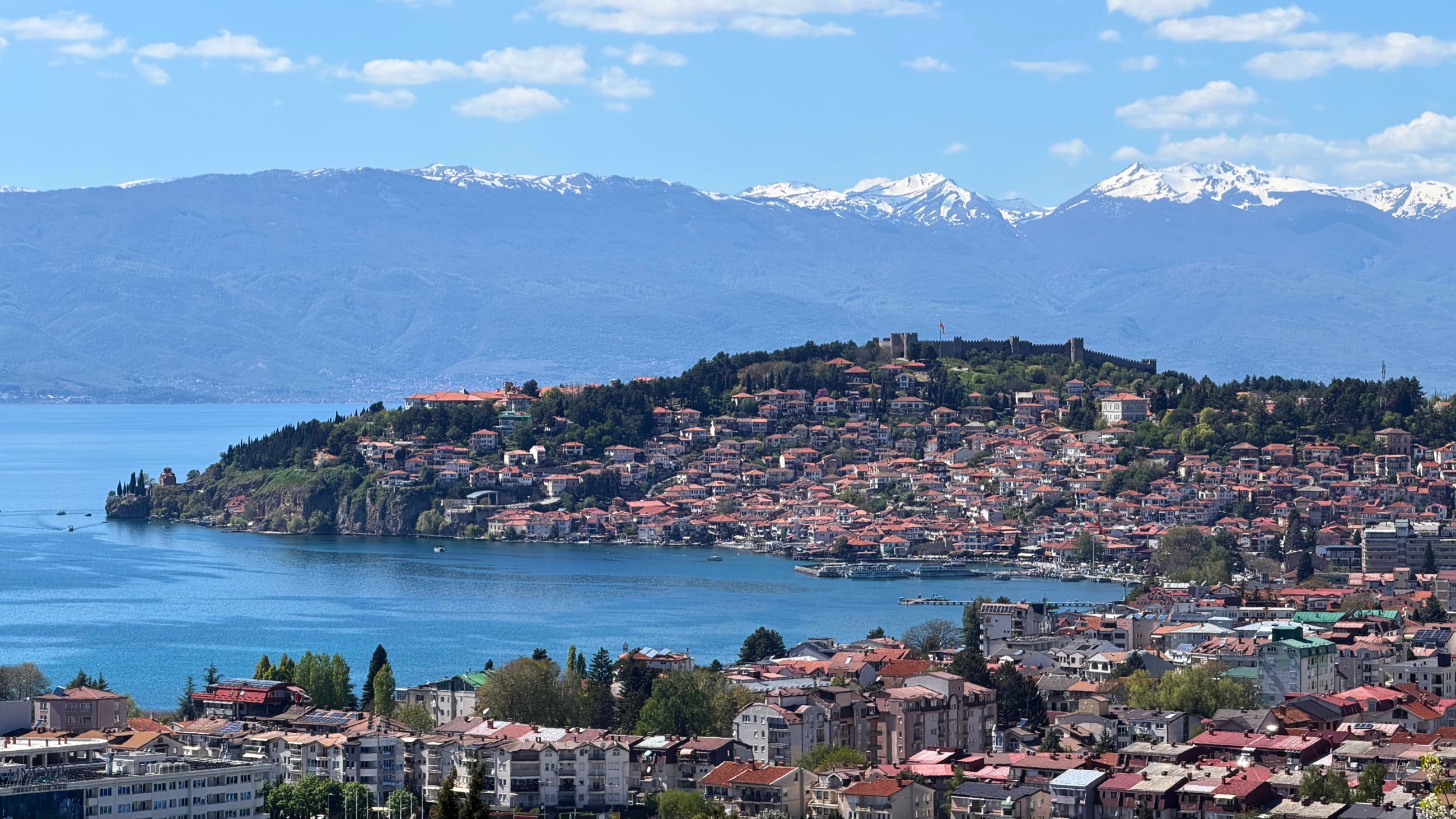
We spent 28 nights in central Ohrid, close to the waterfront, promenade, neighborhood bakeries, a small farmers market, and the gym. Ohrid proved unusually easy to inhabit: compact enough that ordinary routines formed within days, affordable enough that groceries, cafés, fitness, healthcare, and occasional excursions required little calculation, and culturally substantial enough that a month did not exhaust it. The lake, old town, churches, boardwalk, lower mountain trails, and daily errands were all accessible on foot, while Saint Naum, Galičica National Park, Struga, and the southern lakeshore widened the stay beyond the city itself. Ohrid best suits travelers who value natural beauty, Christian history, walkability, low costs, and a slower pace over large-city infrastructure or extensive dining and coworking options. Its principal trade-offs are weak regional public transportation, limited English, common indoor smoking, seasonal produce, and a sharp difference between April's calm shoulder-season version and the crowded summer city.

At a Glance

Length of stay
28 nights
Neighborhood
Central Ohrid, near the waterfront and within walking distance of the promenade, old town, market, bakeries, gym, and everyday services
Cost level
Very affordable; Ohrid was the lowest-cost month of the journey to that point, helped by inland Balkan prices and April shoulder-season rates
Walkability
Excellent within town; most of Ohrid is relatively flat outside the old town, and the waterfront, historic center, canal, boardwalk, cafés, groceries, and lower mountain trails were readily reached on foot
Transportation
Minimal transportation was needed within town; regional travel was less straightforward, with no trains, informal or outdated bus and van information, and excursions requiring a mixture of shuttle vans, passenger boats, private drivers, and occasional car rental
Workability
Strong for apartment-based remote work; the city was calm, compact, and inexpensive enough to support stable routines, though coworking choices and large-city services were limited
Cultural depth
Exceptional, with ancient Lychnidos, the Ohrid Literary School, Saint Clement and Saint Naum, medieval frescoes, the historic Archbishopric of Ohrid, active Orthodox worship, Ottoman and Yugoslav layers, and archaeological sites spanning more than two millennia
Principal strength
The rare combination of affordability, natural beauty, walkability, mountain access, and living religious and cultural history
Principal limitation
Regional transportation lacked clear schedules and dependable online information, while indoor smoking and limited English could complicate daily life

Practical Highlights

Accommodation
Our month-long Airbnb cost $655; it was comfortable, functional, close to the waterfront, and suitable for home-based work; within the first two days, we had arranged permanent workspaces, stocked the kitchen, identified nearby groceries and bakeries, and established a workable daily routine
Cost
A neighborhood bakery breakfast for two cost about $4, fresh bread roughly $1, a dozen eggs from a local farmer about $2.75, and a local macchiato around $1.40 outside the busiest visitor areas; a haircut cost $10, while meals for two could remain near $13 to $16; cash was still useful because card acceptance was inconsistent, and restaurant bills generally had to be requested rather than arriving automatically
Gym
Fit Box cost $27 per person for a full monthly membership and was approximately fifteen minutes from the apartment on foot; it became part of the regular routine and offered a far better monthly rate than the gyms encountered in Istanbul
Groceries
A small farmers market a few blocks from the apartment supplied seasonal produce, eggs, tomatoes, peppers, cucumbers, and other everyday ingredients; selection was more limited than in a larger city and followed the season closely, but prices were low and repeat visits made the market useful for weekly shopping; bakeries, rotisserie chicken, salads, beans, and produce formed the practical core of eating at home
Transportation
Ohrid has no rail service, and the transfer from Skopje took nearly three hours by private driver across mountain country; within town, almost everything was manageable on foot; beyond Ohrid, transport required local knowledge, with a shuttle van to Saint Naum costing about $3 per person each way and the return made by negotiated passenger ferry at about $6 per person; a one-day car rental cost $30 and allowed us to combine Galičica National Park, the Bay of Bones, the cave church of St. Athanasius, and Struga; online schedules were sparse and often outdated, so departure points and times needed local confirmation
Walks and hikes
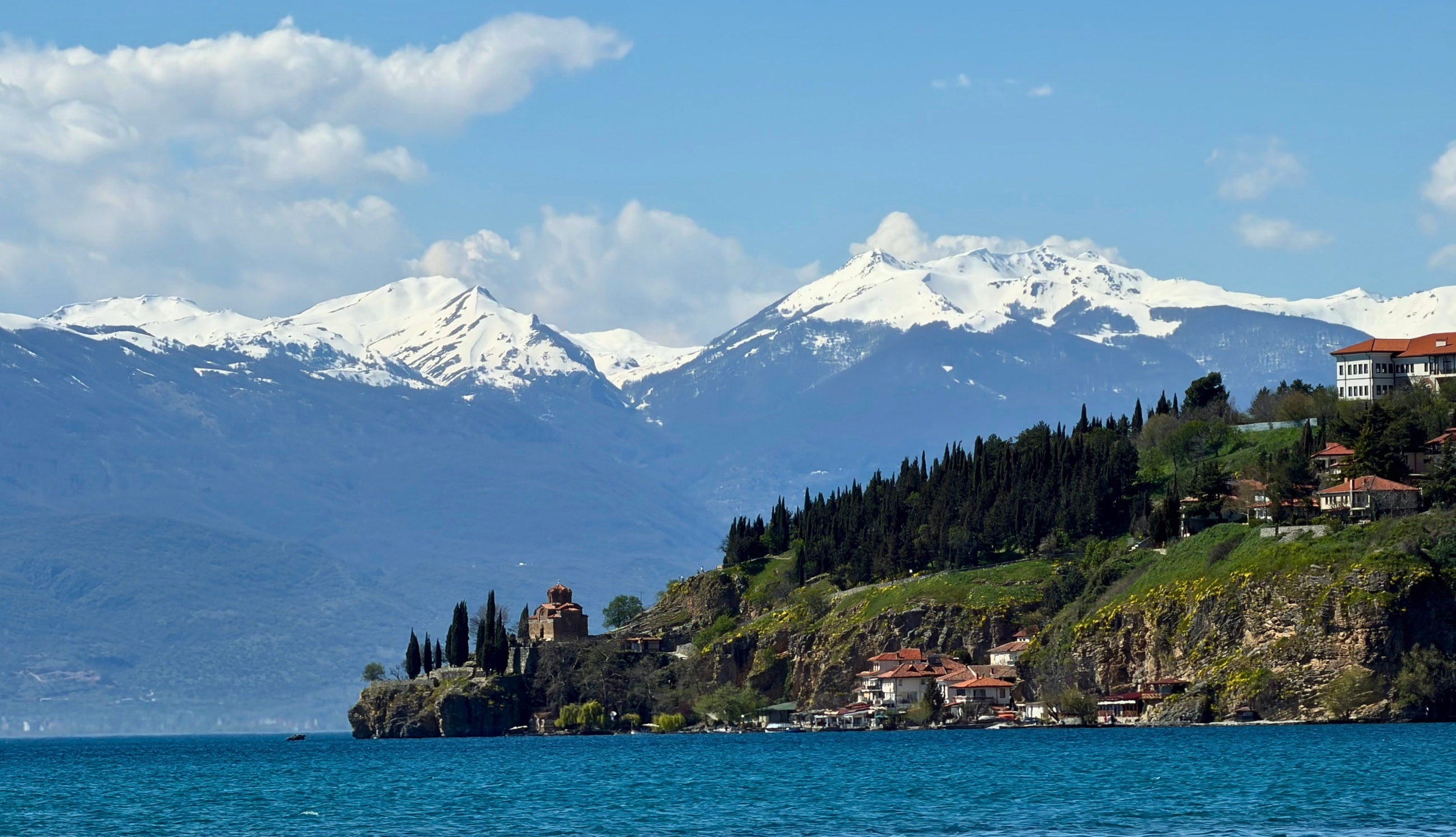
The promenade, canal, lakeside boardwalk, old town, and grassy heights near Saint John at Kaneo supported repeated everyday walks without transportation; a lower Galičica route toward Ramne could be reached on foot from town and provided broad views over Ohrid and the lake; for higher terrain, the Magaro trailhead required a car; in April, substantial snow remained above roughly 5,250 feet, and without poles or microspikes, we turned back after approximately 1,200 feet of climbing
Day trips
Saint Naum combined the monastery, cold springs, rowboat channels, and the southern edge of Lake Ohrid near Albania; Galičica National Park revealed the alpine terrain separating Lake Ohrid from Lake Prespa; the Bay of Bones added a reconstructed prehistoric pile-dwelling settlement, while Struga offered a calmer riverfront city where the Drim River leaves the lake; the cave church of St. Athanasius near Struga preserved fourteenth-century frescoes and monastic rock cells
Cultural highlights
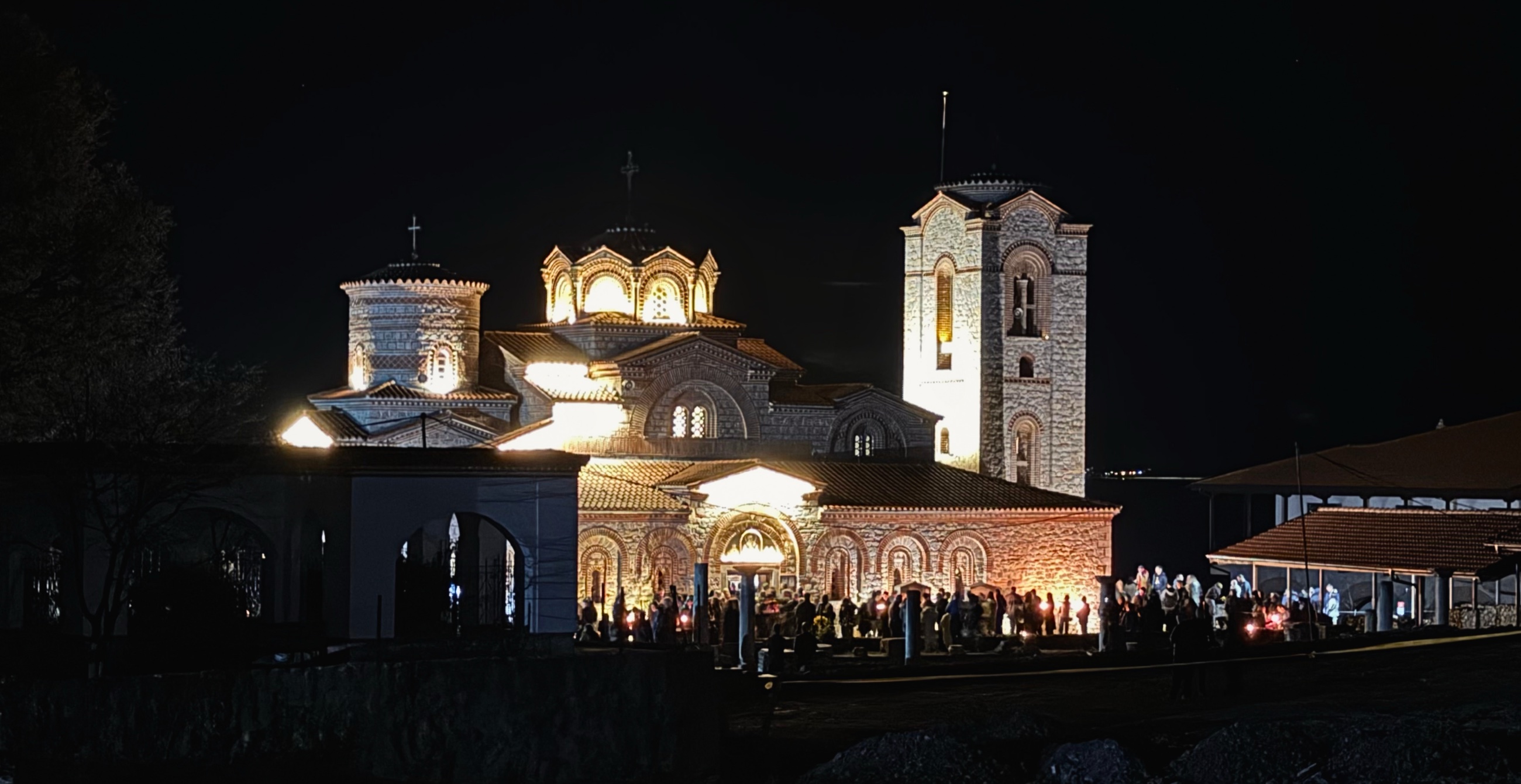
Ohrid's principal sites included Saint Sophia, Saint John at Kaneo, Saints Clement and Panteleimon at Plaošnik, Saint Mary Peribleptos, Tsar Samuel's Fortress, the Ancient Theatre, Saint Naum Monastery, and the Monastery of the Three Hierarchs; the city's greatest cultural distinction was not simply the density of churches, but their continuity with present life; Orthodox Easter brought public bazaars, traditional performance, midnight liturgy, candlelit processions, bells, red eggs, and families gathering across the old town; Plaošnik also connects Ohrid to Saint Clement, the Ohrid Literary School, the development of Slavic Christian literacy, and the wider history of the Ohrid Archbishopric
Seasonality
April offered low prices, mild days, cool mornings and evenings, spring blossoms, and light visitor traffic; weather could shift quickly between rain, wind, sun, and warmth, while the lake remained too cold for swimming or beach use; some businesses were still closed before summer; July and August would bring a busier promenade, heavier tourism, higher prices, hotter weather, and greater development pressure along the lakeshore