Kotor, Montenegro

4 articles

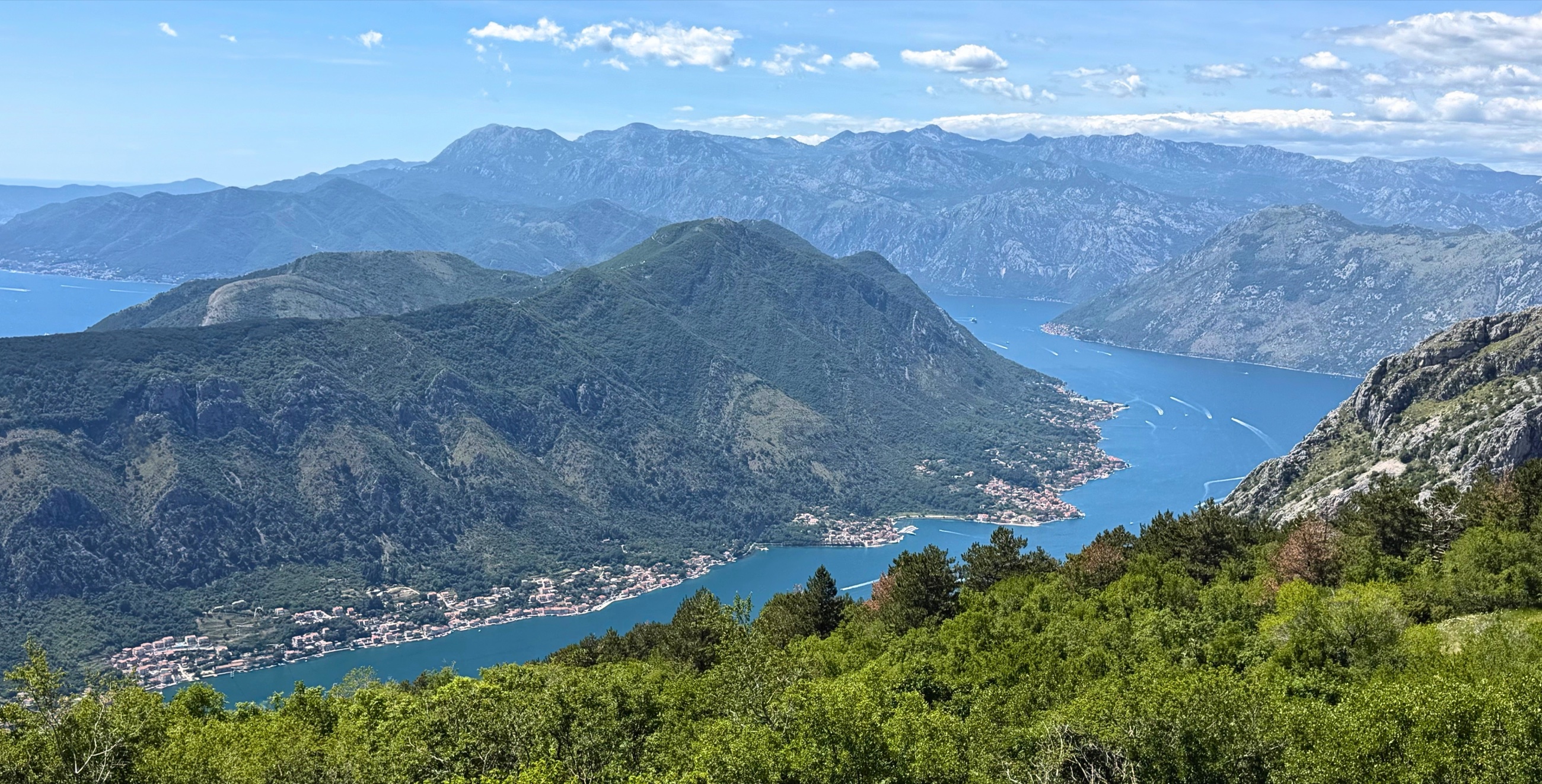
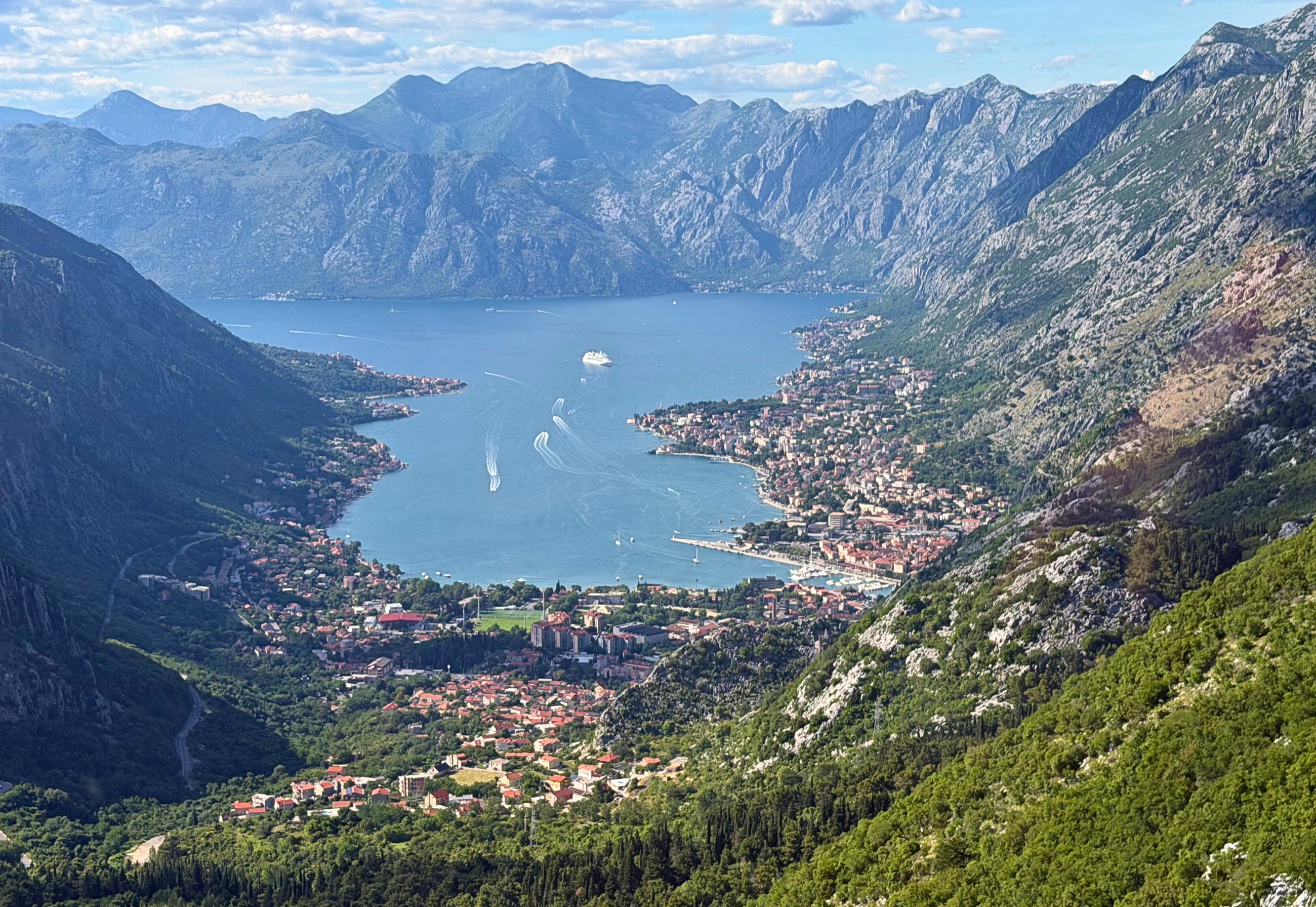
We spent a full month in Kotor, based in Dobrota, a residential stretch of shoreline just beyond the Old Town walls and the heaviest cruise-day crowds. Kotor suits travelers who want mountains and water in the same frame, medieval stone still serving daily life, and a base for exploring the wider bay and coast. Dobrota made the stay workable: close enough to reach the historic center on foot, but far enough away to build ordinary routines around neighborhood cafés, a bakery, the gym, waterfront walks, and swims in the bay. Kotor rewards a slower stay, although it is neither the cheapest nor the easiest stretch of the Montenegrin coast.

At a Glance

Length of stay
One month, 30 nights
Neighborhood
Dobrota
Cost level
Higher than the rest of the Montenegrin coast, particularly for accommodation and businesses closest to the Old Town
Walkability
A flat waterfront promenade reaches the Old Town gates in about twenty to thirty minutes; most daily needs were manageable without a car
Transportation
Local Blue Line buses connect the communities around the bay, while regional coaches from Kotor's main station serve Budva and destinations farther along the coast; schedules require more local confirmation than Google Maps provides
Workability
Workable for remote work after an initial Wi-Fi problem was resolved with a dedicated mobile router; cafés, groceries, a bakery, and a gym were all within walking distance
Cultural depth
High, with Venetian fortifications, Romanesque and Orthodox churches, maritime history, artisan workshops, historic mountain routes, and centuries of Roman, Byzantine, Serbian, Venetian, Austrian, and Yugoslav influence
Principal strength
The combination of the bay, mountain landscape, historic town, and daily waterfront life, all accessible at walking speed
Principal limitation
Higher costs, cruise-ship crowds by day, heat and humidity held inside the enclosed bay, and a shoreline dominated by stone, gravel, and concrete swimming platforms rather than sand

Practical Highlights

Accommodation
Dobrota, $2,032 for 30 nights, roughly a twenty- to thirty-minute flat walk from the Old Town and removed from the worst cruise-day congestion
Tourist tax
€1 per person per night, adding €60 for two people across the month
Gym
B'86 Gym in Dobrota, €40 per person for the month; a comparable gym closer to Kotor's tourist center charged €80 per person
Connectivity
The apartment's advertised Wi-Fi initially relied on a shared extender and was not sufficient for remote work; the host resolved the problem by supplying a dedicated portable router and SIM card
Transportation
The Blue Line to Perast cost €2 per person and ran roughly hourly; the regional coach to Budva cost €6 per person and took about an hour; the Blue Line from Tivat to Kotor cost €3 per person and followed the longer, more scenic shoreline route
Beaches and swimming
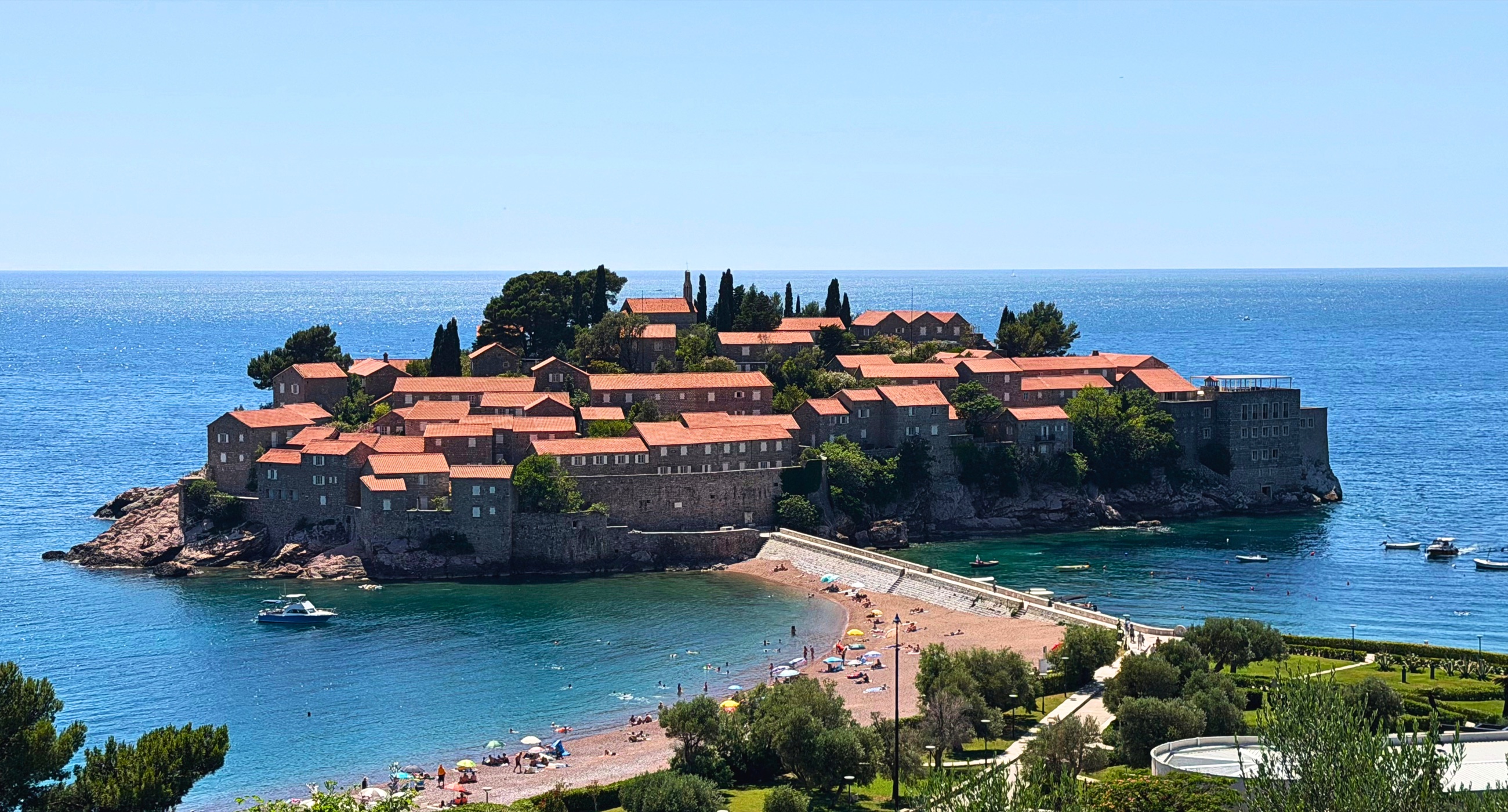
Dobrota offered concrete platforms and small graveled swimming areas for everyday use; Perast had small shoreline swimming spots; Sveti Stefan and Mogren Beach provided clearer open-Adriatic beach days with fine pebbles and faster drop-offs
Walks and hikes
The free Ladder of Kotor climbs the historic mountain route toward Špiljari and the high road above the bay; the paid fortress stairs cost €15 and provide a shorter monument-focused climb
Day trips
Perast, Our Lady of the Rocks, Sveti Stefan, Budva and Mogren Beach, Tivat and Porto Montenegro, Lovćen, and the Kotor cable car
Cultural highlights
St. Tryphon Cathedral, St. Nicholas Church, St. Luke's Church, St. Mary's Collegiate Church, the Sea Gate, the Karampana wellhead, Kotor's fortifications, and the artisan workshops inside the former Old Kotor Prison