Split, Croatia

4 articles

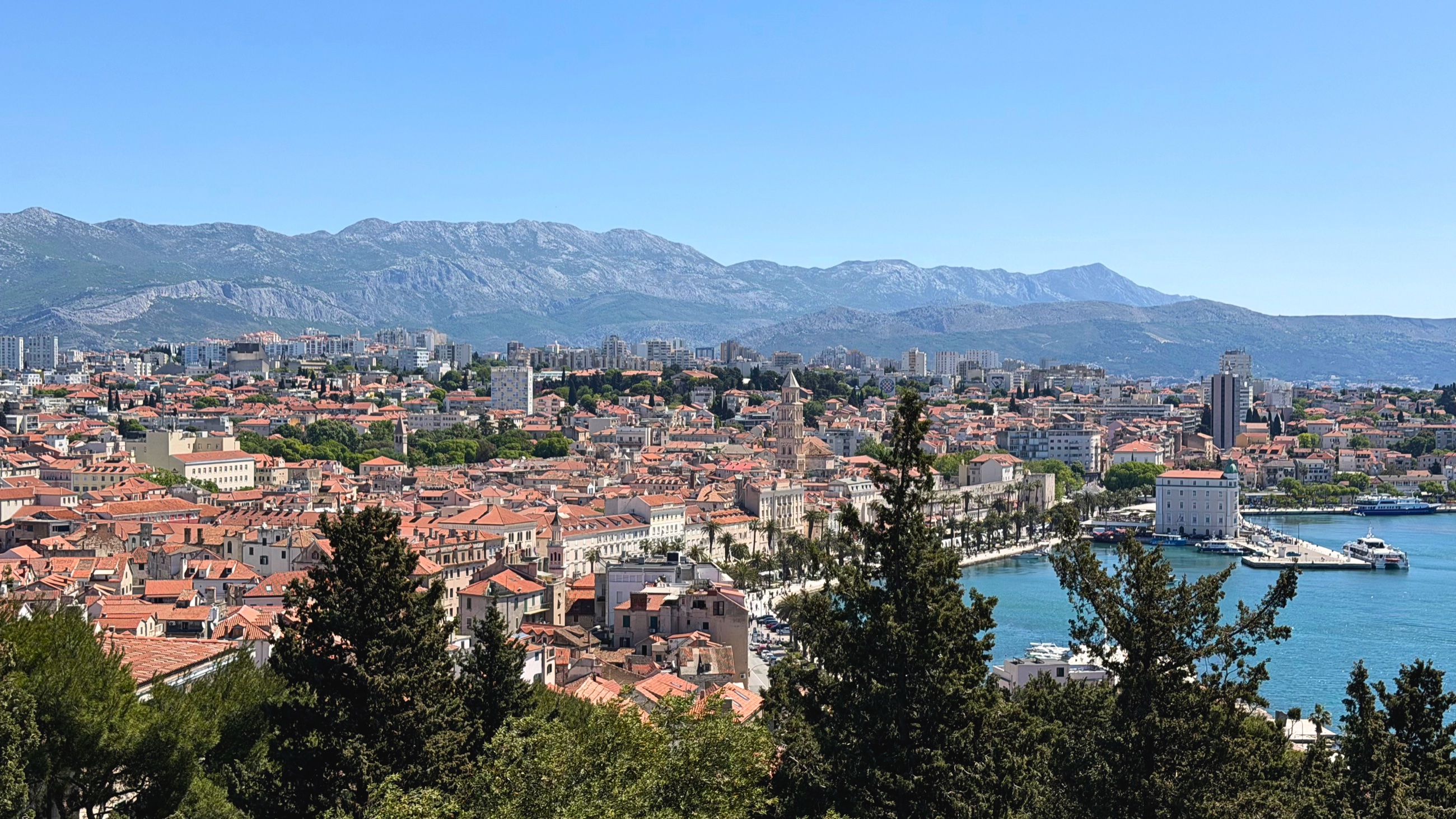
We spent 29 nights in Varoš, a residential quarter immediately west of Diocletian's Palace, close enough to reach the old city, Riva, markets, cafés, and Marjan Hill on foot while remaining outside Split's busiest visitor corridors. The location made Split unusually workable as a month-long coastal base: daily life could be organized around neighborhood bakeries, independent coffee shops, groceries, a walkable gym, local beaches, and an apartment-first work routine, while ferries, buses, and occasional car rental opened the wider Dalmatian coast. Split best suits travelers who want a functional small city with substantial history, credible swimming inside the urban area, and unusually strong access to islands and mainland excursions. Its principal trade-offs are cost and seasonality. May remained warm and manageable, but cruise traffic and tour groups increased noticeably by late month, and the city was already moving toward the heavier prices and congestion of summer.

At a Glance

Length of stay
29 nights
Neighborhood
Varoš, immediately west of Diocletian's Palace and between the historic center and Marjan Hill
Cost level
Moderate to high by Balkan standards, roughly comparable in daily spending to Lisbon or mid-priced Italian cities; better value remained available through monthly accommodation, groceries, bakeries, and neighborhood restaurants
Walkability
Excellent for Old Town, the Riva, markets, cafés, Marjan, and most daily needs; Bačvice is walkable from the center, Kašjuni is more practical by bus in one direction
Transportation
Good city-bus access, a major intercity coach station, extensive ferry and catamaran service, and useful car-rental options for destinations awkward to combine by public transport; advance booking was important for regional buses and seasonal island connections
Workability
Strong with a reliable apartment setup; the month worked best through home-based work, dependable Wi-Fi, mobile backup, and cafés used selectively rather than as full-time offices
Cultural depth
Exceptional; Roman, early Christian, medieval, Venetian, Croatian, and Yugoslav histories remain visible within a city that still lives inside and around Diocletian's Palace
Principal strength
The combination of a highly walkable historic city, usable local beaches, and exceptional access to islands and the central Dalmatian coast
Principal limitation
Tourism pressure and seasonal pricing increase quickly as summer approaches, while hiking beyond Marjan and several regional excursions require additional transportation and planning

Practical Highlights

Accommodation
Varoš, $1,331 for 29 nights, in a modest apartment with both a dishwasher and washing machine, though clothes were dried on a line
Gym
Spartan Gym, $50 per person for the month, cash only, set inside a former wartime bunker about twenty minutes on foot each way
Coffee
Independent coffee generally cost $3 to $4; a bakery breakfast of burek and yogurt ran about $5
Restaurant costs
Old-town mains ran approximately €15 to €30; a mid-range Dalmatian dinner for two with wine typically cost €45 to €65
Connectivity
Apartment Wi-Fi was tested and a workstation built on the first day; the apartment-first setup and mobile backup remained more dependable than working from cafés
Groceries
A repeatable grocery, bakery, and prepared-food circuit was more efficient than constant restaurant meals; local honey and olive oil were better sought from market vendors than supermarket shelves
Split Card
A free 72-hour card is available to travelers who can show proof of at least five nights in the city; it covered the Ethnographic Museum and Emanuel Vidović Gallery and discounts elsewhere, but had to be requested specifically at the visitor center
Transportation
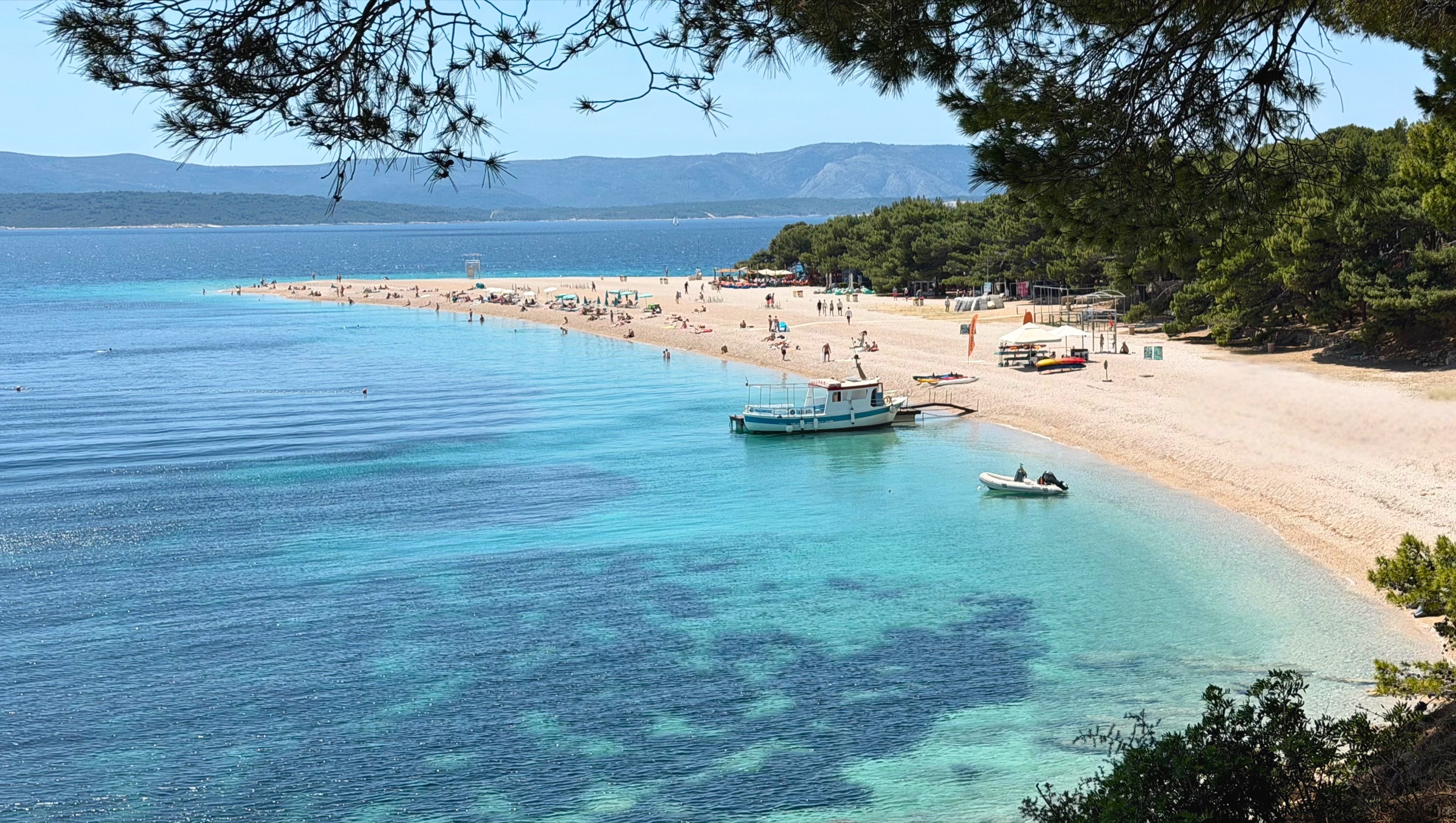
The city bus to Kašjuni cost $2.35 each way; the Klis route ran €1.50 per person each way booked in advance versus €3 paid on board; the regional coach to Makarska took a little over an hour, up to ninety minutes in heavy traffic; a three-leg Makarska Riviera day cost €65 for two, with the return leg full, making advance booking essential; the round-trip catamaran to Hvar cost €50 per person; Brač was reached by a 50-minute ferry to Supetar followed by a 55-minute bus to Bol, returning by direct catamaran, with Zlatni Rat a thirty-minute walk from Bol's harbor; a full-day rental car with insurance cost $91 and covered Krka, Šibenik, and Trogir in a single day, with Krka admission, including the Skradin boat ride, at $23 per person
Beaches and swimming
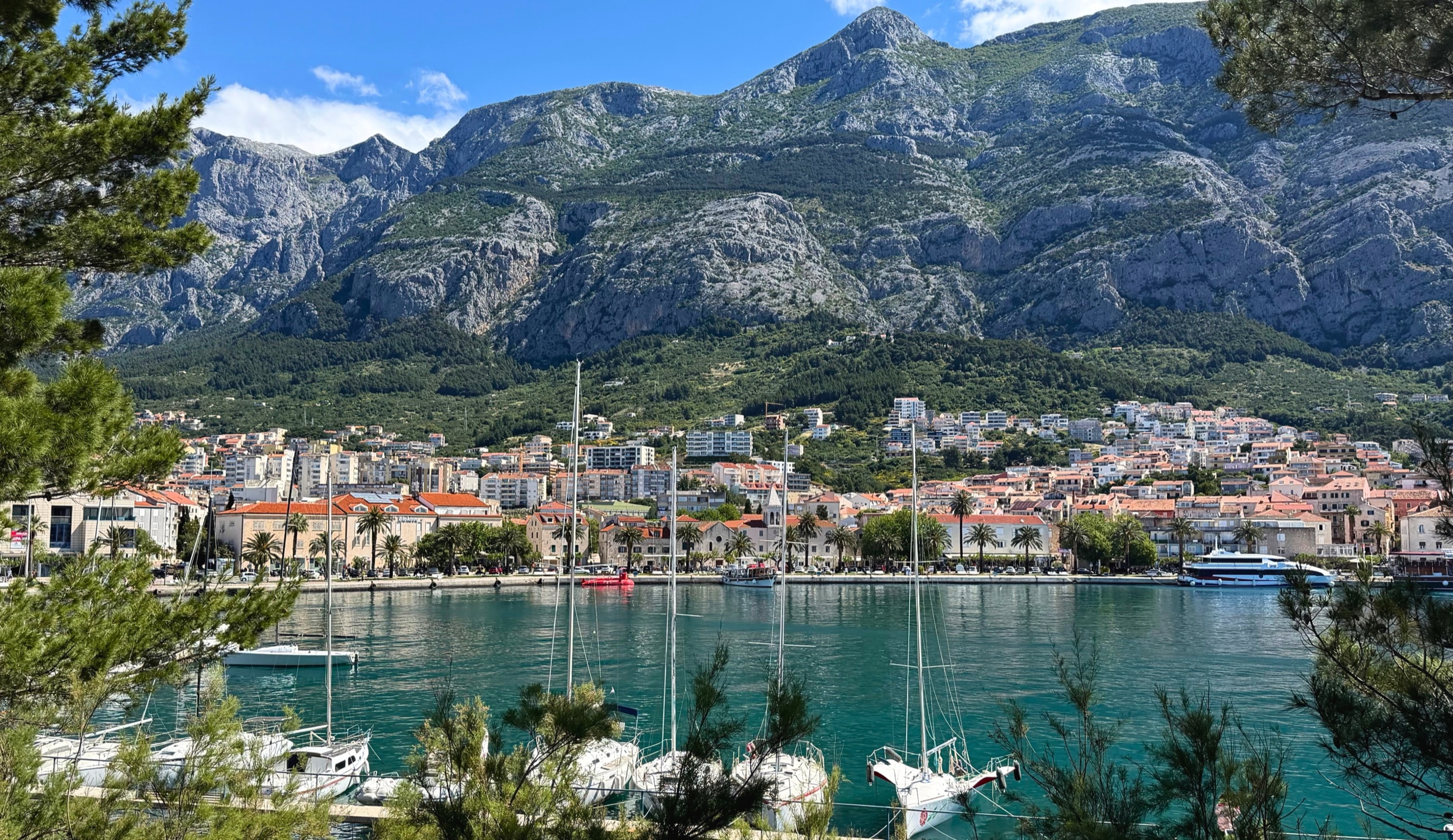
Bačvice was the easiest full city-beach option, sandy and shallow well beyond the shore; Kašjuni, beneath Marjan, was rockier, clearer, and the beach we revisited most often; smaller Marjan coves added stone entries, pine shade, and calmer water; Brač and the Makarska Riviera offered greater coastal scale and drama
Walks and hikes
Marjan Hill was the strongest everyday walking asset, with shaded trails, overlooks, and access toward Kašjuni and Sustipan Park; beyond Marjan, car-free hiking options became limited, and more substantial terrain around Omiš and the Biokovo massif required transportation
Day trips
Hvar and Brač justified full island days; Krka, Šibenik, and Trogir worked efficiently as a rental-car circuit; Klis Fortress paired naturally with Stella Croatica; Makarska and Brela formed a demanding but successful coach-based day along the Riviera; Omiš merited more time than a hurried half-day; Dubrovnik was better treated as an overnight stop
Cultural highlights
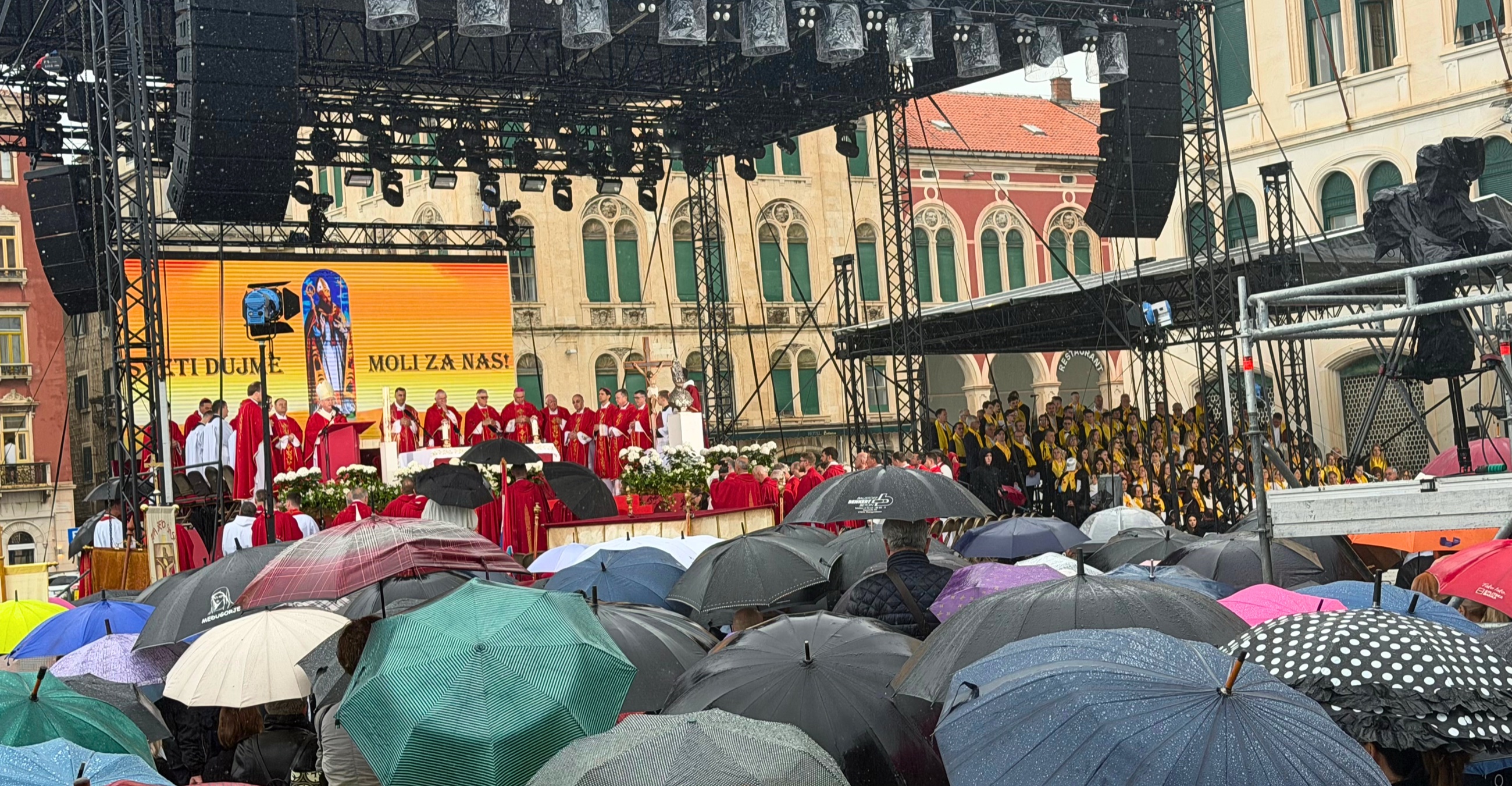
Diocletian's Palace, a late-Roman imperial compound absorbed into the living city; the Cathedral of Saint Domnius, occupying Diocletian's former mausoleum; the Feast of Saint Domnius, with procession, outdoor Mass, klapa singing, and fireworks; the Ethnographic Museum and Emanuel Vidović Gallery; and recurring klapa performances in the Vestibule